You’re sitting in a dispensary, staring at a shelf of colorful glass cartridges, and you realize you have no idea if that shiny new tank will actually work with the little device sitting in your pocket. You might spend fifty bucks on a high-end distillate cartridge only to screw it onto a cheap battery that won’t even turn on. Or worse, you get a device that burns the oil the second you try to take a pull. It’s a frustrating, expensive mistake that happens to even the most seasoned users.
The good news is that the industry has a standard that makes this much easier than it used to be. Most cartridges, those pre-filled THC, CBD, or Delta 8 oil containers, rely on a specific connection. If you get the wrong battery, you’re basically holding an expensive paperweight. Understanding how these connections work is the difference between a smooth session and a wasted afternoon.
I’ve spent years testing different setups, and I’ve learned that the battery is actually the most important part of your kit. You can buy the most expensive oil in the state, but if your power source is inconsistent, you’re going to have a bad time. Let’s break down what you actually need to know before you drop your hard-earned cash on a new setup.
The Universal Logic of the 510 Connection
The “510” in 510 thread isn’t some mysterious code; it refers to the physical dimensions of the screw mechanism. Specifically, the threading on the top of your battery has a 5.0mm diameter. This is the industry standard that allows for universal cartridge compatibility. It means that, theoretically, a cartridge from one brand should screw perfectly onto a battery from another. This is great for your wallet because you aren’t trapped in a proprietary ecosystem where you have to buy a specific brand of battery just to use their specific oil.
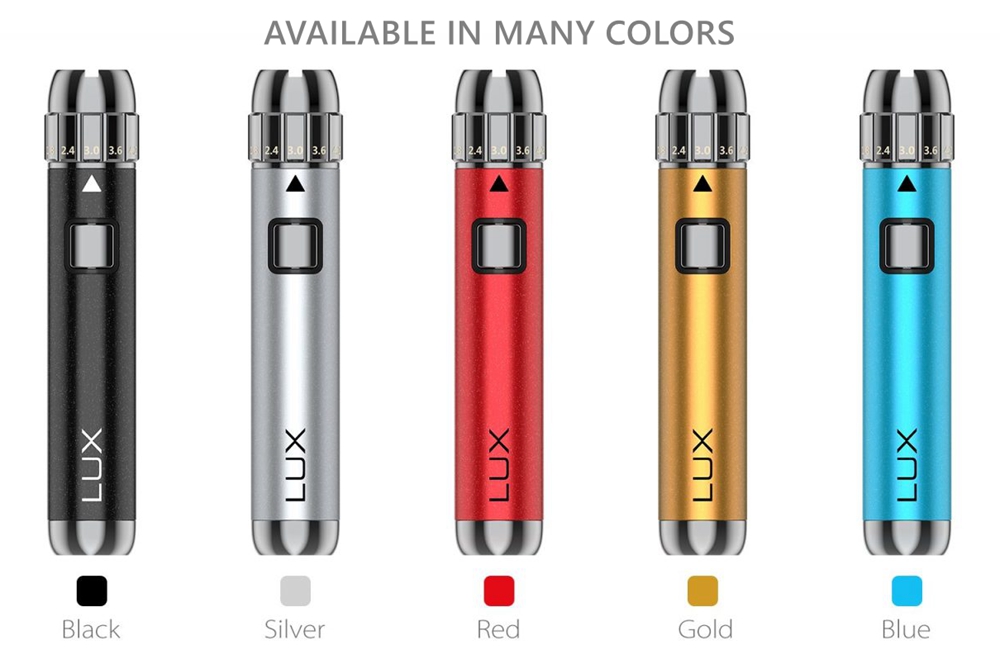
Because of this standardization, you have a massive variety of hardware to choose from. You can find everything from slim pens that look like a high-end writing utensil to compact box-style batteries that feel more substantial in your hand. Some people prefer key-fob styles that they can clip to a keychain for quick access on the go, while others want a heavy hitter with variable voltage settings. The goal is to find a device that matches your lifestyle, whether you’re a stealthy commuter or someone who wants to fine-tune every single puff.
When you’re shopping, you’ll see a lot of different styles of 510 thread vapes hitting the market. Some are built for portability, while others are built for power. You really need to think about how you’re going to use it. Are you looking for something to keep in your bag for emergencies, or are you looking for a primary device that you’ll use every night on the couch?
The beauty of this system is the freedom it gives you. If your favorite battery dies, you can go to almost any shop and pick up a replacement that will work with your existing cartridges. That kind of interoperability is rare in most tech industries, but it’s a huge win for anyone who vapes. It prevents you from being stuck with a pile of useless glass if a company decides to change their charging port or their connection style overnight.
Voltage, Heat, and the Science of the Perfect Pull
This is where people usually mess up. You might think more power equals a better experience, but that is a massive misconception. If you crank your voltage up to the maximum setting on a high-quality distillate, you aren’t getting more THC; you’re just burning the terpenes and turning your expensive oil into acrid smoke that tastes like burnt toast. It’s a waste of money and it tastes terrible.
Most modern 510 batteries offer variable voltage, which is a non-negotiable feature if you want to do this right. This allows you to adjust the heat based on what is inside your cartridge. Different oils require different temperatures to vaporize properly without scorching the wick. If you are using a live resin or a high-terpene concentrate, you usually want a lower voltage to preserve those delicate flavors. If you are using a thick, heavy distillate, you might need a slightly higher setting to get the oil flowing through the ceramic coil.
Most devices let you cycle through settings with a simple button click, usually indicated by different light colors on the tip. You should experiment. Start low, maybe around 2.8V or 3.0V, and slowly work your way up until you find the “sweet spot” where the vapor is thick and the flavor is clear. It takes a little bit of trial and error to find your perfect setting, but once you do, you’ll never go back to a single-voltage device again.
Why does this matter for your hardware? Because if you’re using a cheap, fixed-voltage battery that only hits at 3.7V or higher, you are essentially forcing your cartridges to operate in a sub-optimal state. You’ll notice that your cartridges finish much faster than they should, and the flavor will degrade halfway through the tank. It’s a slow leak of value that you can avoid entirely by choosing the right battery.
| Battery Type | Best For… | Portability |
|---|---|---|
| Slim Pen | Discreet, quick hits, light use | High |
| Box Mod | Precision control, heavy users | Low |
| Key Fob Style | Travel, EDC (Everyday Carry) | Very High |
| Vape Bar | Simplicity, minimal settings | Medium |
Choosing Between Premium Gear and Budget Basics
Not all 510 batteries are created equal. You can go the budget route and pick up a generic pen for ten bucks, or you can invest in something like the Core Series – Vessel, which is built for people who care about build quality and a premium feel. This isn’t just about vanity; it’s about the internal components that determine how consistent your power delivery is. A cheap battery might give you 3.2V one second and 3.8V the next because the battery is struggling to maintain a steady current, which ruins your flavor profile.
When you’re looking at high-end options, you’re paying for better chipsets, more reliable USB-C charging, and, most importantly, better airflow control. Airflow is the silent killer of a good vape experience. If the air isn’t moving through the cartridge correctly, the oil won’t vaporize evenly. A premium device will have much tighter tolerances in the threading and the connection point, which prevents that annoying “leaky tank” syndrome that plagues cheaper models.
I’ve seen people spend $70 on a cartridge and then use a $5 battery that leaks oil into the connection because the threads are slightly off. It’s a terrible way to spend money. If you have the budget, buy a decent battery first. You can always upgrade your oil later, but you’ll be stuck with a bad battery for a long time if you choose poorly. I always suggest looking for a reputable brand name that offers a warranty, because even the best electronics can have a dud unit out of the box.
If you aren’t sure where to start, look for these three things: USB-C charging (micro-USB is becoming obsolete), variable voltage (at least 3 levels), and pre-heat functionality. Pre-heat is a lifesaver when you are dealing with thick, cold oil in the winter; it warms the oil up just enough to make it flow without you having to take a massive, lung-scorching hit just to get it moving.
Avoiding the Pitfalls of Maintenance and Care
Even the best 510 setup requires a little bit of care to keep it working. One of the biggest issues I see is people letting their cartridges sit in their cars or bags in extreme temperatures. Heat is the enemy of THC oil. It thins the oil out, making it much more likely to leak through the threads and into your battery. If you get oil in your battery connection, it becomes a sticky, gummy mess that is incredibly hard to clean and can eventually short out the device.
To keep things clean, I recommend a quick wipe with a Q-tip dipped in a tiny bit of isopropyl alcohol every few days. Just a quick dab on the bottom of the cartridge and the top of the battery will prevent buildup. You should also make sure you aren’t overfilling your cartridges. It’s tempting to want a massive tank of oil, but if the oil level is too high, it leaves no room for the air pressure to equalize, which leads to leaking. Vape pens with 510-thread batteries are designed for cartridges, and those cartridges need air to breathe to work properly.
Another thing to watch out for is the “clogged cartridge” issue. This usually happens when you take a “ghost hit”—you press the button, inhale, but don’t actually draw any air through the device. This creates a vacuum in the cartridge that pulls oil up into the mouthpiece, where it cools and hardens. If this happens, you can often fix it by gently warming the cartridge in your hands or using the pre-heat function on your battery, but it’s much easier to just avoid the habit entirely.
Is one puff of a vape equal to one cigarette? No, not really. It’s a completely different delivery system. A cigarette provides a sudden, massive spike of nicotine, whereas vaping is more about controlled, incremental doses. However, if you’re using high-potency THC oil, the intensity of the effect can feel much more sudden than a traditional smoke. Treat it with respect and don’t go overboard just because you don’t see smoke.
The technology in these small devices is getting better every single year. You’ll likely find yourself looking at even more specialized options as the market continues to refine how we consume cannabinoids.
FAQ
What is a 510 thread pen?
A 510 thread pen is a type of vape battery that uses a standardized 5mm diameter screw thread to connect to various cartridges.
What are the best vape pens for 510 thread cartridges?
The best pens are those with adjustable voltage settings, allowing you to optimize the temperature for different types of oil.
Does Amazon sell 510 vape batteries?
Amazon's ability to sell these devices depends on local laws and current platform policies regarding nicotine and cannabis-related hardware.
Is 1 puff of a vape equal to one cigarette?
No, because the amount of nicotine and vapor inhaled varies significantly depending on the device, oil concentration, and puff duration.
How do I know if a cartridge will fit my 510 battery?
Ensure the cartridge has a 5mm diameter base with a standard threaded connection designed for 510 systems.